
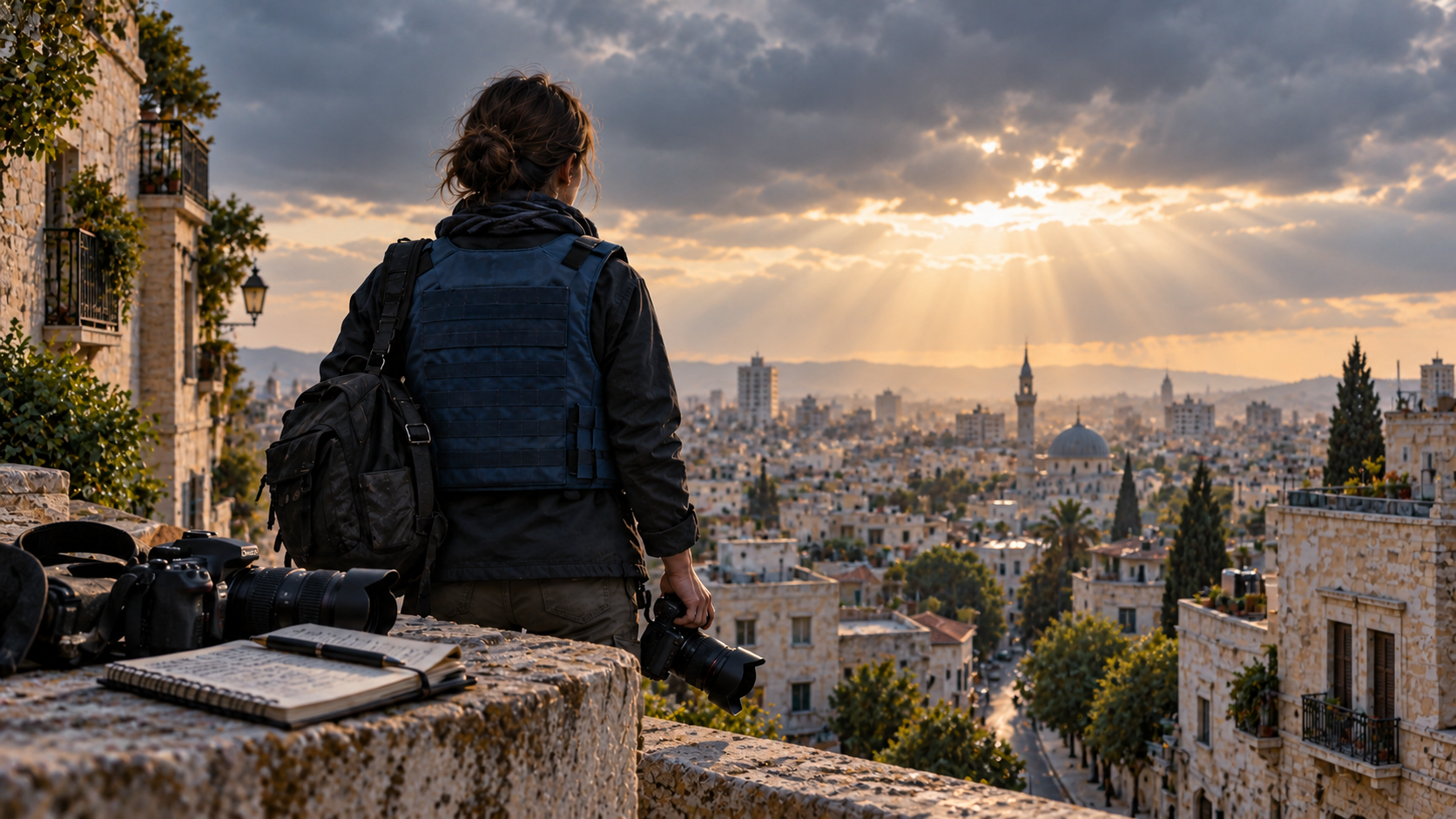
In 2024–2025, 189 journalists were killed, a 20% increase over the previous two-year period. Conflicts and the use of drones are heightening the risks faced by those who report the news.
The United Nations Educational, Scientific and Cultural Organization (UNESCO) today, 2 November 2026, presented the 2026 edition of the Director-General’s Report on the Safety of Journalists and the Danger of Impunity at its headquarters in Paris. The presentation marked the International Day to End Impunity for Crimes against Journalists, as part of a programme focusing on protection policies and strengthening the UN Plan of Action on the Safety of Journalists and the Issue of Impunity.
The findings paint a troubling picture: in 2024–2025, UNESCO verified the killings of 189 journalists and media professionals engaged in journalistic activities, compared with 158 in the previous two-year period, an increase of 20%. There were 92 victims in 2024 and 97 in 2025: on average, one every four days.
Meanwhile, the global impunity rate rose from 85% in 2024 to 86% in 2026, returning to its 2022 level. Approximately six out of seven cases therefore remain unresolved under UNESCO’s classification. This percentage concerns cases monitored since 2006, rather than only killings in the latest two-year period, and is calculated using information submitted by States.
Conflicts account for much of the toll. In countries affected by war, 127 journalists were killed, representing 67% of the total, compared with 43% in the previous two-year period. These were not exclusively war correspondents: the report categorizes victims according to the country in which they were killed and notes that some covered corruption, crime and politics.
The use of drones emerges as a particularly serious threat. Fifty journalists were reportedly killed by these devices in six countries: approximately 40% of the victims in conflict settings and 26% of the global total. The report also documents 36 deaths in attacks on groups of journalists at workplaces and temporary media facilities. Nine media professionals died in a single incident. Fifteen journalists were reportedly killed while wearing identifiable press vests or travelling in clearly marked press vehicles.
Local journalists bear the greatest burden. Of the 189 victims, 175 — 93% — were killed in their country of origin. This highlights the vulnerability of those who continue reporting within their own communities, often with limited access to protection or relocation.
There are signs of improvement in countries not affected by conflict: 62 killings were recorded, the lowest figure in eighteen years. The impunity rate in these settings stands at 77%, compared with 94% in 2012; however, the report notes that it has remained unchanged since 2022.
Fourteen women journalists lost their lives during the two-year period, thirteen of them in countries affected by conflict. Physical threats are compounded by digital abuse: the report cites a 2025 survey in which 45% of the women journalists and media workers surveyed reported self-censorship linked to online violence, compared with 30% in the 2021 survey.
The fight against impunity also faces difficulties in gathering information. Of the 78 States from which UNESCO requested updates on investigations, forty provided substantive responses, eight merely acknowledged receipt and thirty did not respond. The overall response rate thus fell to 62%, its lowest level since 2019.
Now in its tenth edition, the report recalls that 1,641 journalists and media workers were killed between 2006 and 2025. Protecting them and ensuring accountability for attacks means defending not only a profession, but everyone’s right to know about matters of public interest.
The full 2026 report is available in UNESCO’s Digital Library:
Read the Director-General’s Report on the Safety of Journalists and the Danger of Impunity